/ ShipCSX / REPORT AN EMERGENCY: 1-800-232-0144 / 

- About Us
- Community
- Customers
- Suppliers
- Investors
- Working at CSX

At CSX, we strive to effectively communicate our vision to our customers, partners, and communities. Read our press releases and view our ads and videos.

The mission of CSX’s Pride in Service program is to honor our nation’s military and first responders through a unique community investment commitment.

Learn about our monetary and in-kind grants and apply for support for your nonprofit organization.
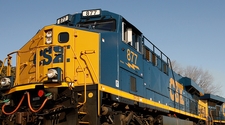

Covering 23 states in the East, Midwest and South; the District of Columbia and 2 Canadian provinces, our skilled professionals bring a proven track record to our clients, our communities and your projects.

Get answers to your questions about investment recovery; purchase orders, invoicing and payment; and shipping materials.

Corporate Social Responsibility
Visit our Corporate Social Responsibility section to learn more about how our material and service suppliers can help make a positive impact on CSX corporate sustainability efforts.

See weekly performance metrics for Train Velocity, Terminal Dwell and Cars Online.

View our quarterly earnings materials, including presentations, financial reports, Form 10-Q and more.

Have questions about your username or password? Need to check the status of your application? Get answers with our frequently asked questions.